

Camping with Kids: A Simpler Way to Feed Your Family
Camping days rarely go exactly as planned.
A long drive turns into road construction. You spot a roadside fruit stand and decide to stop. A hike takes longer than expected. Just as you're setting up camp, the rain starts to fall. Before you know it, everyone is hungry, tired, and asking what's for supper.
If you've ever wondered how you're going to feed your family while camping without feeling overwhelmed, you're not alone.
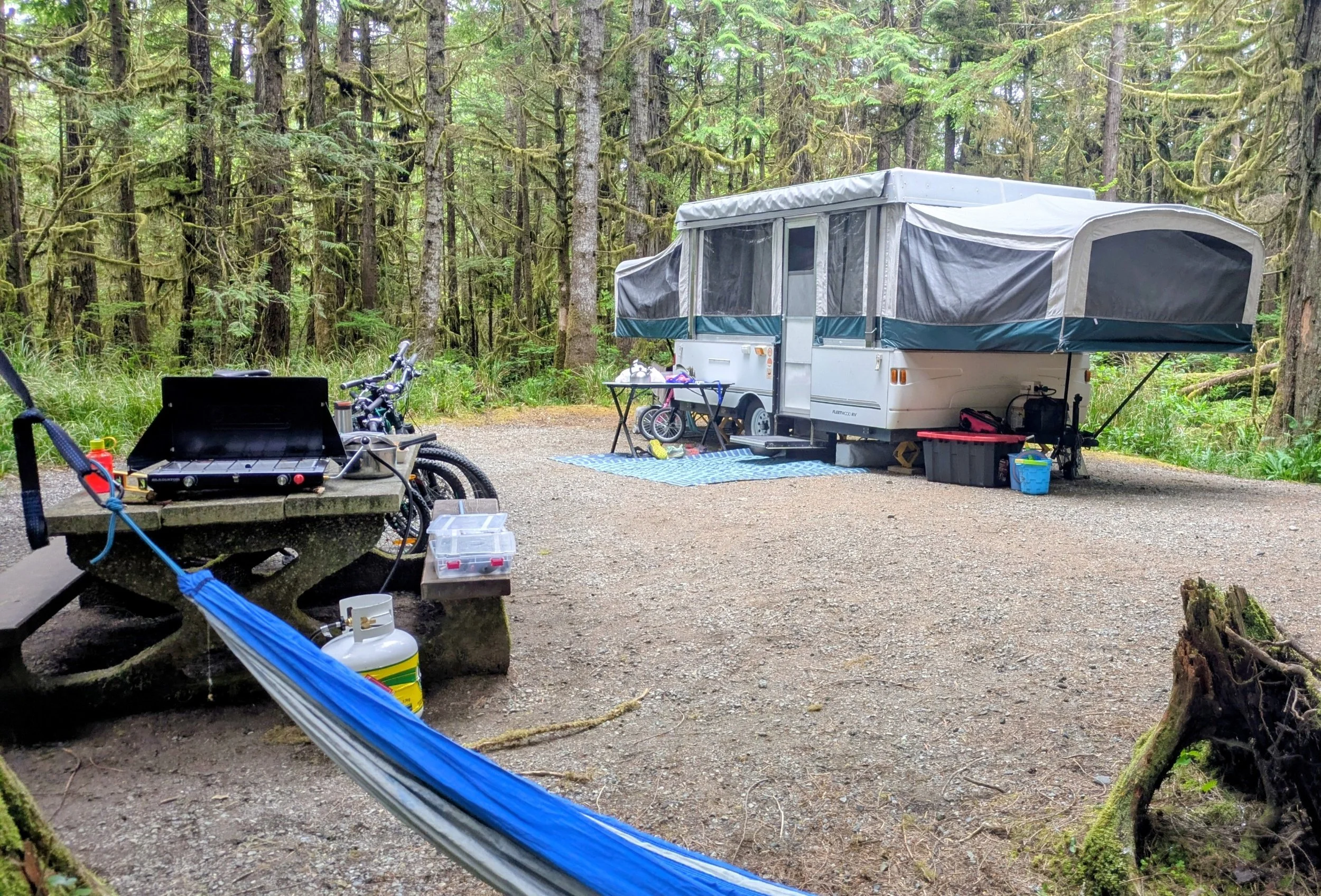
Every summer, our family packs up our tent trailer and spends many weeks travelling through Alberta and British Columbia. We love exploring new places, which means we're usually moving between campgrounds rather than staying in one spot. Over the years, we've learned that this style of camping calls for a more flexible approach to food that keeps everyone nourished while leaving room for the unexpected moments that often become our favourite memories.
While some of these ideas come from our style of camping, many can be adapted whether you're heading away for a weekend or planning a longer adventure.
The Longer We've Camped, the More We've Simplified
When we first started taking longer camping trips, I would prepare and freeze five to seven days' worth of meals before we left. It felt like the best way to stay organized.
It didn't take long to realize that our approach was creating more work than it was saving. Packing that many prepared meals meant an overfilled cooler, more concern about keeping food at a safe temperature, and occasionally throwing food away after it had been sitting in melted ice for too long.
Now we prepare just the first few days of meals and plan to restock groceries every few days as we travel. It keeps our cooler more manageable, helps us feel confident that our food is staying safe to eat, and lets us enjoy discovering local grocery stores, farmers' markets, fruit stands, and bakeries along the way.
One of the biggest lessons we've learned is that simplifying doesn't mean caring less about nutrition. It means creating a plan that fits the way you're travelling.
Keep Meals Predictable, Even When the Day Isn't
Camping has a way of making time disappear.
You stay a little longer at the beach. A hike takes more time than expected. Setting up camp takes longer than planned. Before you know it, everyone is hot, tired, and overly hungry, and even little frustrations can start to feel much bigger.
One of the most helpful routines we've developed is keeping meal and snack timing fairly predictable.
We aim to eat every three to four hours, especially on busy days filled with hiking, biking, swimming, or exploring. We also keep snacks in the vehicle and in our backpacks so we're prepared if plans change or someone gets hungry earlier than expected.
That simple routine has probably made a bigger difference than any specific meal we've packed.
Nourishing Meals Don't Need to Be Complicated
As a dietitian, I don't stop thinking about nutrition when we're camping. I simply adjust my expectations.
I'm not trying to cook elaborate meals after a full day outdoors. I'm trying to make meals that are nourishing, satisfying, realistic and quick.
Breakfast might be oatmeal topped with fresh fruit, whole grain pancakes made from a mix with blueberries, or eggs and toast if we're spending the morning at camp.
Lunch is often what my family calls a "picky picky lunch." We put out whole grain crackers, cheese, hummus, fresh vegetables, fruit, smoked salmon or pepperoni, and everyone builds their own plate. It's quick, flexible, and easy after a busy morning.
For supper, we usually choose meals that come together without a lot of preparation so we can spend more time enjoying the evening together.
Rather than trying to make every meal perfectly balanced I think about balance across the day. A bowl of oatmeal for breakfast, fruit and vegetables with lunch, and a source of protein at meals is often enough to keep everyone fueled for long days outdoors.
Make Food Part of the Adventure
Some of our favourite camping memories weren't planned.
They are the roadside fruit stands where everyone climbs out of the truck to choose a favorite fruit like fresh peaches or apricots. Or the afternoons spent berry picking. Or the local bakeries we discover in small towns and the fresh seafood we pick up from a local fish market on the coast.
Those moments have become just as memorable as the hikes, lakes, and beaches we set out to visit.
Food is more than nourishment. Sharing local food has become one of the ways our family experiences a new place together.
My Biggest Takeaway
Camping has taught me something I use with families in my nutrition practice every day: the most sustainable routines are usually the most realistic ones.
You don't need perfectly planned meals to nourish your family well.
You need a flexible plan that fits the way you're travelling, predictable routines that help everyone stay fueled and emotionally regulated, and simple meals that leave room for the moments you didn't plan.
Years from now, I don't think my kids will remember every meal we ate while camping.
I think they will remember exploring new places together, laughing around the picnic table after a long day outdoors, enjoying tailgate snacks and the simple moments that became our favourite family memories.
For me, feeding a family while camping is about creating simple routines that nourish our family, bring us together around the table, and leave room for connection, adventure, and memories that last long after we've unpacked the tent trailer.